
Municipal Meltdown: Ramaphosa's Warning Underscores Growing Security Risks
President Ramaphosa's call for service delivery highlights how failing municipalities escalate crime and instability. Discover the security risks and actionable
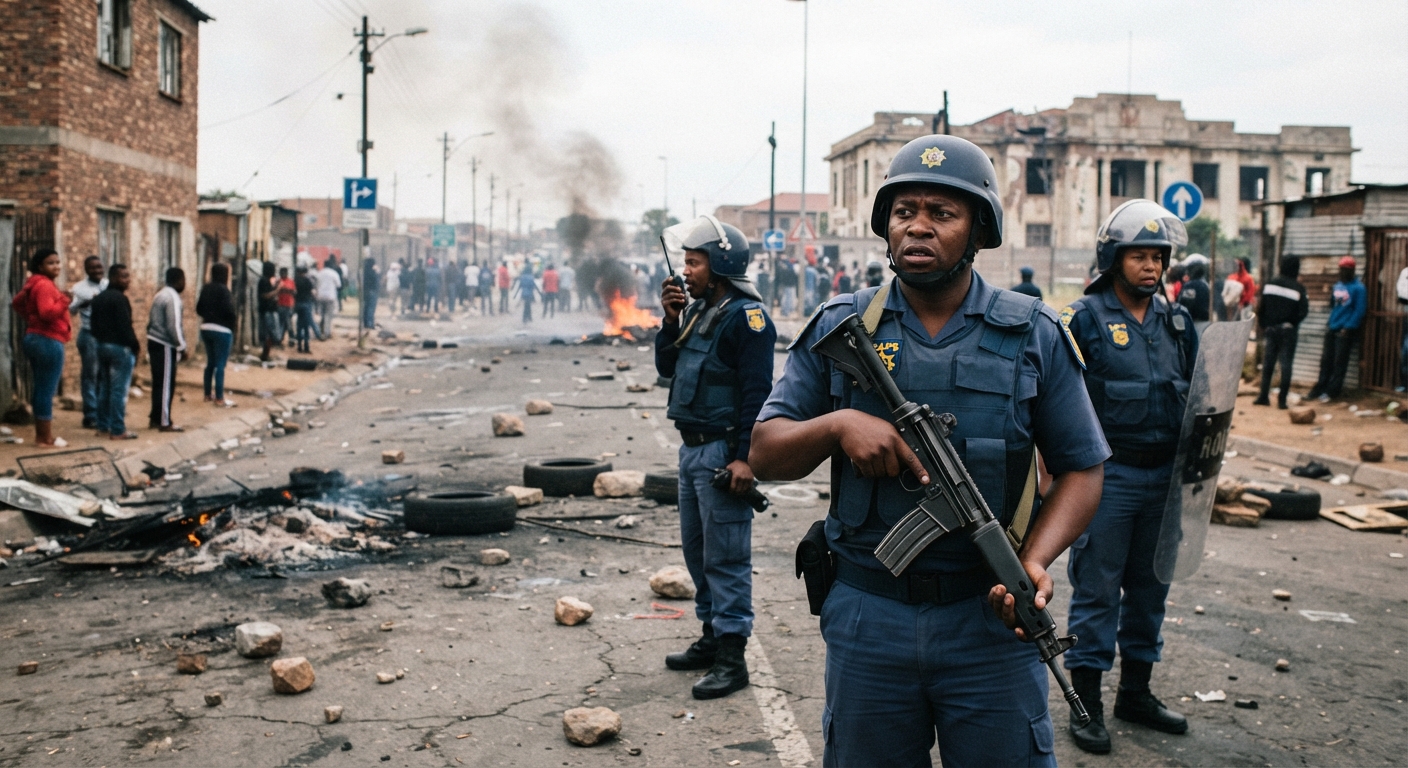
President Cyril Ramaphosa's recent address to newly elected councillors, urging them to prioritise service delivery over political squabbles, resonated far beyond the chambers of local government. For South Africa's security sector, his words highlighted a critical nexus: the direct link between effective municipal governance and the safety and security of communities and businesses. While often framed as a socio-economic issue, the erosion of basic services and the paralysis of local administration are rapidly becoming significant catalysts for crime and instability across the nation.
The Security Fallout of Failing Services
Ramaphosa's emphasis on reliable electricity, clean water, waste collection, and maintained infrastructure isn't just about public convenience; it's fundamental to national security. Intermittent power supply (loadshedding) creates immediate vulnerabilities, enabling criminal activity under cover of darkness and disrupting vital security systems, from alarms to CCTV networks. Uncollected refuse can signal a breakdown in order, inviting illicit activities and fostering an environment where petty crime can escalate. Dilapidated public infrastructure, including unlit streets and poorly maintained roads, not only impedes emergency services but also creates havens for criminals, increasing risks for personal safety and corporate assets.Political Stability as a Security Imperative
The President's warning against political infighting and the call for mature coalition negotiations are crucial for security stability. Dysfunctional municipal councils lead to policy paralysis, hinder resource allocation for law enforcement support, and weaken community safety initiatives. A stable local government is essential for collaborative efforts with SAPS crime intelligence, for investing in physical security technology for public spaces, and for maintaining the civic order necessary to deter cybercrime schemes that often target vulnerable populations during times of disruption. Without a functioning administrative backbone, even well-intentioned security plans can falter, leaving residents and businesses exposed.The South Africa Angle
In a country grappling with alarmingly high crime rates, the state of local governance is not merely an administrative detail – it's a front-line security challenge. South Africans rely heavily on municipal services for the basic conditions that underpin safety. The persistent threat of loadshedding directly impacts homeowners' ability to secure their properties and businesses to operate safely. Poor road maintenance complicates rapid response for security companies and law enforcement. The breakdown of urban environments creates fertile ground for social unrest, a direct concern for corporate security and public order. Ramaphosa's message implicitly acknowledges that effective crime prevention starts with effective governance at the most local level.What This Means for You / Your Business
For homeowners and businesses, the message is clear: proactive security planning must increasingly account for municipal service delivery failures.- Energy Resilience: Invest in robust backup power solutions (UPS, generators, solar) not just for operational continuity but as a critical security measure against loadshedding-related crime.
- Physical Security Enhancements: Review and upgrade perimeter security, lighting (especially solar-powered options), and CCTV systems, ensuring they remain effective even during power outages or in poorly maintained public spaces.
- Community Engagement: Engage with local community policing forums and neighbourhood watches. A strong community network can help mitigate the impact of municipal shortcomings on local safety.
- Infrastructure Awareness: Be aware of the state of local infrastructure. Report issues like non-functioning streetlights or illegal dumping to relevant authorities, and factor these conditions into personal safety protocols and business operating procedures.
- Corporate Security Strategy: For businesses, scenario planning should include prolonged service disruptions and potential social unrest stemming from municipal failures. Enhance guarding, surveillance, and access control, especially in areas with visible signs of decline.
Source: IOL News