
Malls Deploying AI Surveillance: Security Shield or Privacy Peril for South Africans?
South African shopping malls are deploying advanced AI and facial recognition surveillance to combat crime. Explore the balance between enhanced security and POPIA privacy concerns for shoppers and bu
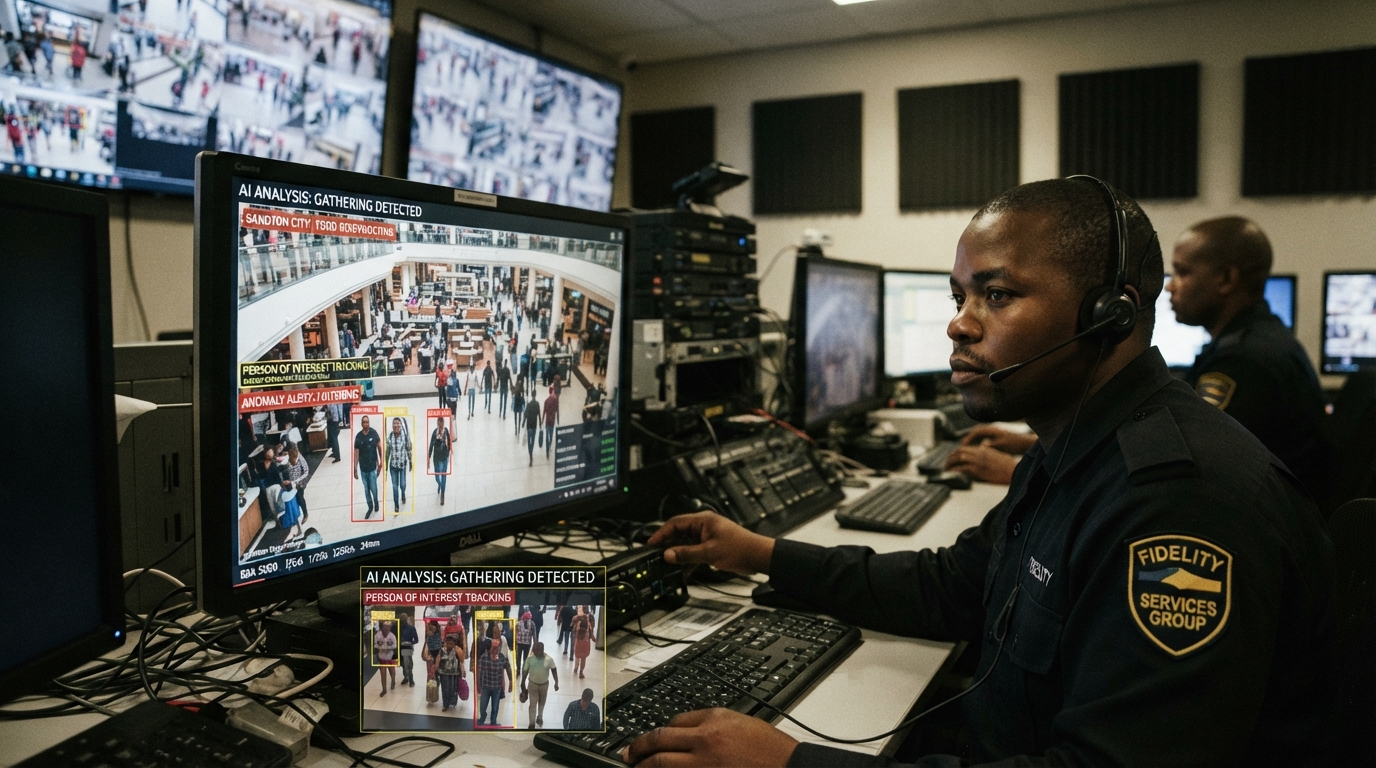
South African shopping malls, grappling with persistent crime challenges from petty theft to organized syndicates, are increasingly turning to advanced surveillance technologies. High-definition CCTV systems, augmented with sophisticated facial recognition and artificial intelligence (AI) analytics, are being rolled out across retail precincts. While promising enhanced security and rapid response capabilities, this technological leap is simultaneously sparking crucial debates around individual privacy rights under the Protection of Personal Information Act (POPIA).
The Double-Edged Sword of AI Surveillance
The allure for retailers is clear: AI-powered surveillance offers proactive threat detection, quicker identification of known offenders, and improved situational awareness. These systems can track suspicious behaviour, flag individuals on watchlists, and provide invaluable evidence for investigations. This surge in capabilities aims to create safer shopping environments, a critical factor for consumer confidence in a crime-ridden landscape. However, the continuous collection and processing of biometric data from thousands of shoppers raises significant ethical and legal questions. Without clear communication and robust data governance, these deployments risk eroding public trust.Navigating POPIA Compliance in Public Spaces
The core of the privacy debate lies in POPIA's stringent requirements for data processing, particularly regarding "special personal information" like biometric data. Obtaining explicit consent from every individual entering a mall, a public-access commercial space, presents a monumental challenge. Operators must demonstrate a clear legitimate purpose, transparency in data collection, and robust safeguards for data storage and usage. The onus is on mall management and security providers to not only secure their premises but also to ensure they are operating within the bounds of the law, avoiding potential legal repercussions and reputational damage.What This Means for You / Your Business
For Shoppers: Be aware that your image and movements may be recorded and analysed. Understand your rights under POPIA, particularly regarding how your personal information is used. If you have concerns, inquire with mall management about their data privacy policies. For Businesses (Retailers/Mall Operators): Prioritize POPIA compliance. Implement clear signage informing visitors about surveillance. Conduct thorough privacy impact assessments. Ensure data collected is secure, used only for its stated purpose, and retained for appropriate periods. Invest in staff training on data handling and privacy best practices. Transparency and accountability are paramount to maintaining consumer trust.The South Africa Angle
Given South Africa's high crime rates, the drive for enhanced security in public spaces is understandable. However, the implementation of such powerful technology must be balanced against the constitutional right to privacy. POPIA provides a framework, but its application in dynamic public environments like shopping malls is still evolving. The rapid adoption of AI surveillance will undoubtedly continue to test the boundaries of legal interpretation and public acceptance, setting precedents for how technology shapes our daily lives and safety.Source: ITWeb Security